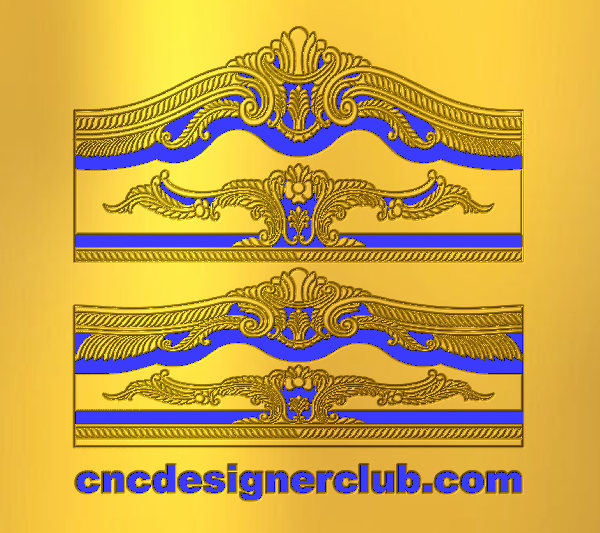
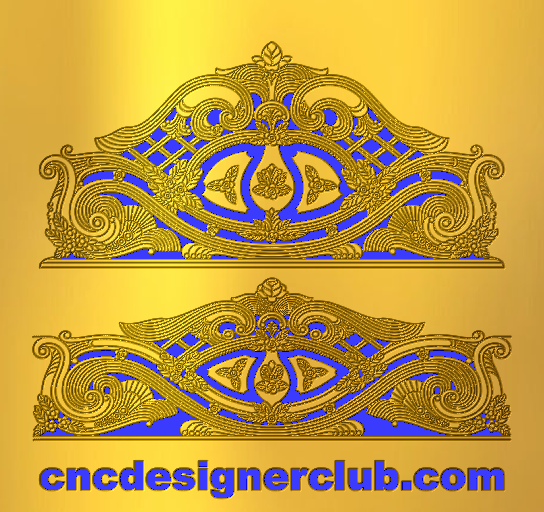
CNC DXF and RLF are file formats commonly used in CNC machining. DXF is a widely
supported vector format, while RLF is specific to ArtCAM software for 3D relief carving.
Download a Free Simple Bed Design DXF File for CNC Router
File Type :
DXF
File Uploader :
Hasibur Rahman
Note :
Simple Bed Design DXF
Free Bed Design DXF File
DIY Bed CAD Drawing
Download DXF Woodworking Plans
Easy DIY Furniture Projects
Simple Bed Blueprint
Wooden Bed Design DXF
DIY Home Improvement
Bedroom Furniture Plans
Bed Frame CAD File
DIY Woodworking Projects
Home Decor DXF Files
Creative Bed Design Ideas
Tilted Bed DXF
Wooden Furniture CAD
Bedroom Makeover Projects
DXF Blueprint Download
Custom Bed Design CAD
Bed Frame Blueprint
DIY Bedroom Furniture
DXF File for Woodworking
DIY Interior Design
Bed Frame Design Inspiration
Wooden Bed Frame DXF
Simple Bedroom Decor
Home DIY Crafts
Carpentry Projects
Bedroom Furniture CAD Plans
Woodworking DXF Templates
Bed Frame Design Ideas
Creative DIY Woodworking
DXF Furniture Designs
Handmade Bed Frame
Woodworking for Beginners
DIY Home Decor Ideas
Wooden Bedstead DXF
DIY Bedroom Upgrades
Customizable Bed Frame
Home Furniture CAD Files
DIY Woodworking Blueprints
Unique Bed Design Concepts
Tilted Bed Frame DXF
Woodcraft Projects
Interior Design DIY
Bedroom Furniture DXF
Handcrafted Bed Design
Woodworking Plans for Beds
Bedroom Decor DIY
Bed Frame CAD Blueprint
DXF Woodworking Patterns
Design Code :
b2d00018
Similar Design
B75tu
cncdesignerclub.com
dxf Bed
0
B4hd
cncdesignerclub.com
dxf Bed
0
B67th
cncdesignerclub.com
dxf Bed
0
B57h
cncdesignerclub.com
dxf Bed
0
B7h8ed
cncdesignerclub.com
dxf Bed
0
See All
Welcome to our website! We provide expert services in CNC machining, utilizing advanced
technologies like Computer
Numerical Control (CNC). Our team excels in working with various file formats, including DXF and RLF. DXF, a
versatile vector format,
ensures seamless data exchange between different software programs, enabling precise 2D representations. On the
other hand, RLF, specific to ArtCAM software,
caters to 3D relief carving needs. With our expertise and proficiency in CNC machining and file
jali design, pattern, door design, almirah design, wardrobe design, plasma cutting
Computer Numerical Control (CNC) is a technology that has revolutionized manufacturing processes across various
industries. With its precision and automation capabilities, CNC machines have become integral to modern
production. Here is a 427-word overview of CNC:
CNC stands for Computer Numerical Control, and it refers to the automation of machine tools through the use of
computer systems. These computer-controlled machines are widely used in manufacturing to produce intricate and
precise parts and components. CNC technology has significantly improved productivity, accuracy, and
repeatability in the production process.
One of the key advantages of CNC is its ability to interpret and execute instructions with exceptional
precision. The CNC machine reads instructions from a computer program, often created using Computer-Aided Design
(CAD) software. These instructions guide the machine's movements, specifying parameters such as cutting depths,
tool paths, and feed rates.
CNC machines are employed in various industries, including automotive, aerospace, electronics, and woodworking.
They can perform a wide range of operations, such as milling, turning, drilling, grinding, and routing. The
versatility of CNC machines allows for the production of complex geometries and intricate designs that would be
challenging or impossible to achieve with manual machining.
The core components of a CNC system include the machine tool itself, the control unit, and the software. The
machine tool comprises the physical equipment responsible for cutting, shaping, or drilling the material. The
control unit houses the computer and electronics that interpret and execute the instructions. The software,
often referred to as CAM (Computer-Aided Manufacturing), generates the toolpaths and converts them into a format
readable by the CNC machine.
CNC machines offer numerous benefits to manufacturers. First and foremost, they enhance productivity by
automating tasks that would otherwise require manual labor. Additionally, CNC machines provide consistent and
repeatable results, ensuring high-quality output. They also minimize the risk of human error and increase safety
in the workplace.
Another advantage of CNC technology is its flexibility. With proper programming and tooling changes, CNC
machines can produce different parts and products, making them adaptable to changing production demands. This
flexibility enables manufacturers to reduce setup times and efficiently handle small batch sizes or custom
orders.
Furthermore, CNC machines have the capability to integrate with other manufacturing processes, such as robotic
loading and unloading, to create fully automated production cells. This integration improves efficiency and
reduces the need for manual intervention, resulting in higher throughput and reduced labor costs.
In recent years, advancements in CNC technology have further expanded its capabilities. Modern CNC machines
often feature advanced sensors, real-time monitoring, and data analytics, enabling predictive maintenance and
optimization of machining processes.
Overall, CNC has transformed the manufacturing landscape by enabling precise, automated, and efficient
production. As technology continues to advance, CNC machines are likely to become even more powerful, versatile,
and integrated with other emerging technologies such as artificial intelligence and the Internet of Things
(IoT), further enhancing their impact on the manufacturing industry.
Cncdesigner Club-passionate for design
Cnc Designer club-passionate for design